A quietly devastating shift occurred across the high-end property landscape in late 2025: over 65% of luxury off-plan prospective buyers reported feeling 'visually fatigued' by standard architectural renders. Despite millions of dollars spent on pre-leasing collateral, developers and design directors found themselves facing lukewarm inquiries and prolonged sales cycles. The diagnosis was simple, yet profound—buyers had become immune to glossy, sterile CGI. Understanding the defining interior rendering trends 2026 is no longer just an artistic preference; it has become an operational imperative for firms seeking to capture high-value contracts and convert spatial concepts into tangible sales.
The "Uncanny Valley" Problem: Why Yesterday's Renders Refuse to Sell
For over a decade, architectural visualization followed a predictable template. A room was modeled, high-poly furniture assets were dropped into place, global illumination was calculated, and the resulting image was polished until every surface shone with pristine, mathematically perfect reflection. However, today’s prospective homeowners, private investors, and commercial tenants have developed a heightened visual literacy. They recognize the uncanny valley of digital rendering instantaneously—the unnaturally smooth boucle fabric, the impossibly crisp marble edges, the uniform light bounce, and the complete absence of human presence or ambient imperfection.
When an interior render looks synthetic, it triggers cognitive dissonance in the client's brain. Instead of imagining themselves living, working, or thriving in the space, they instinctively evaluate the image as a computer graphic. This psychological barrier dissipates emotional attachment, which is the singular force driving luxury real estate acquisitions. When high-end firms fail to generate this emotional connection, pitches fall flat, approvals stall, and premium pricing power vanishes.
Key Interior Rendering Trends 2026 Redefining the Visual Landscape
The solution lies in moving beyond simple representation toward evocative, atmospheric storytelling. Pioneering visualization teams are ditching sterile CG tropes in favor of visceral, tactile, and cinematic realism. Here is how modern visualization techniques are resolving client fatigue and reshaping the industry.
1. Micro-Imperfection and Hyper-Tactile Materiality
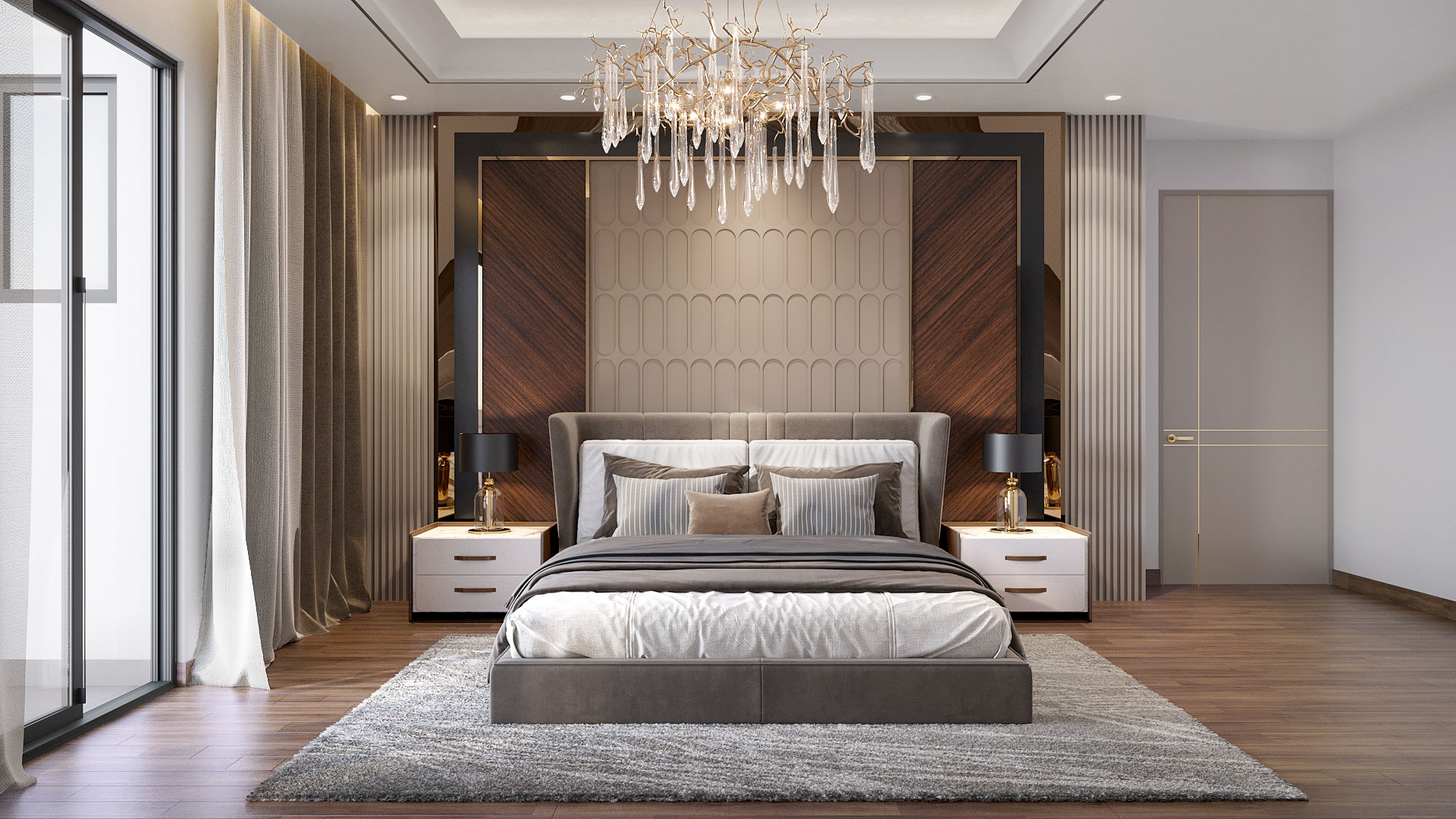
True luxury is never machine-perfect; it is rich with texture, history, and organic variation. Achieving authentic photorealistic interior rendering today requires embedding micro-imperfections into digital shaders. Instead of flawless mirror reflections, 2026’s top-tier visuals feature subtle sheen variations on hand-troweled Venetian plaster, natural grain offsets in solid white oak, fine patina along hand-forged brass hardware, and delicate fabric weave fuzz catching soft rim light.
When a viewer can almost feel the coarseness of raw linen or the cool, tactile roughness of honed travertine simply by looking at a screen, their brain registers the visual as real. To explore how textural depth and nuance are integrated into modern spatial representation, examining the curated work at SQUAREI INTERIOR demonstrates how micro-tactility transforms CAD geometry into emotionally resonant living spaces.
2. Cinematic Interior Rendering: Moving Beyond Flat Sunlight
Historically, interior CGIs relied on bright, evenly distributed sunlight to illuminate every corner of a floor plan. While functional for showing physical layout, it destroys atmospheric depth. The transition toward cinematic interior rendering prioritizes atmospheric lighting setups modeled after modern cinematography—utilizing volumetric lighting, dynamic shadows, soft caustics through blown glass, and expressive color temperatures.
"Lighting should not merely illuminate space; it must articulate emotion, sculpt volume, and reveal the passage of time across a room."
By capturing moments of quiet transitional beauty—such as dawn light cutting through sheer drapery or warm ambient task lighting reflecting against rich dark timber during twilight—visualizers evoke an atmospheric mood that allows buyers to project their lifestyle into the blueprint.
3. The Hybrid Engine: Precision Integration of AI Interior Rendering
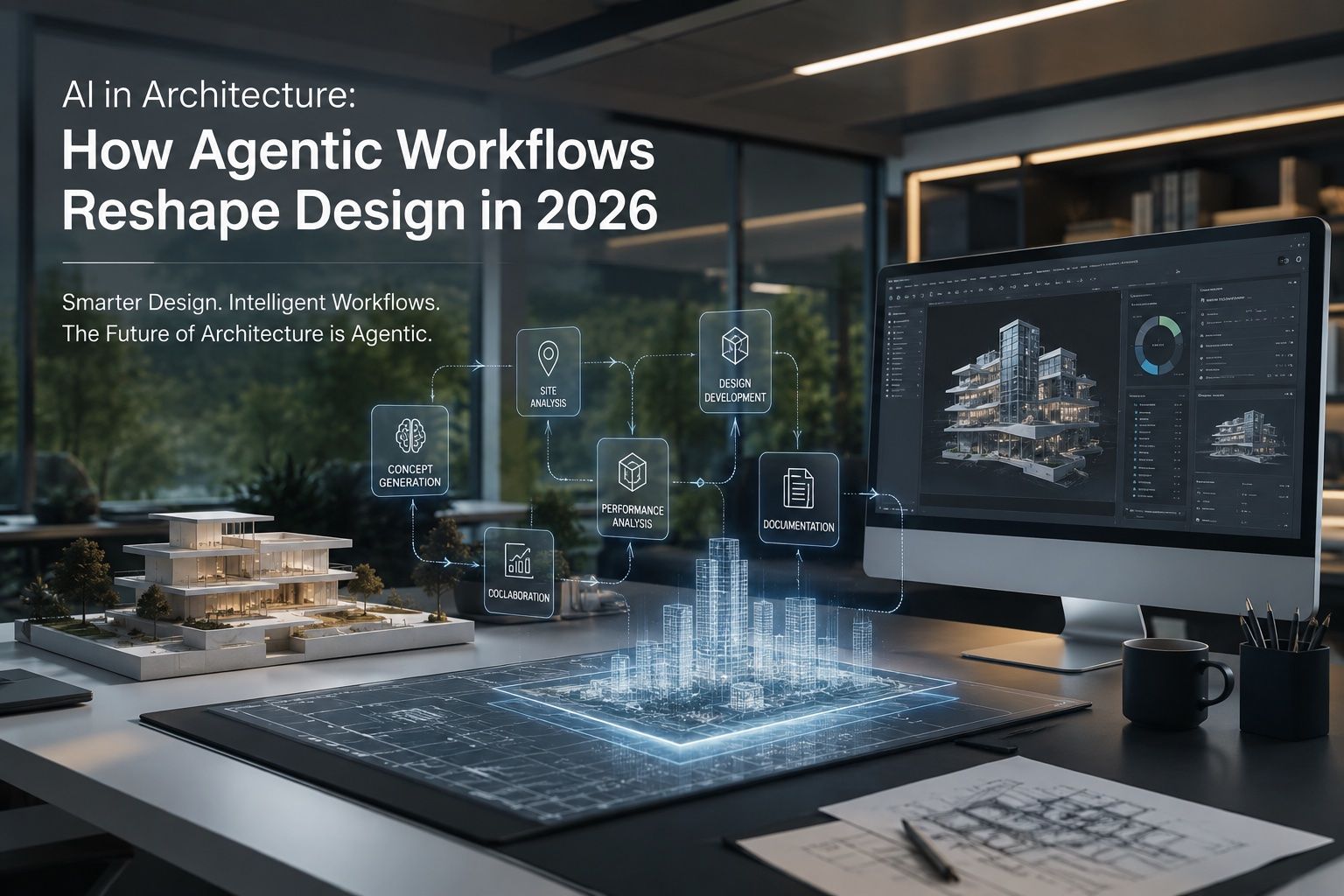
The rapid evolution of AI interior rendering tools sparked debate across the visualization sector. However, the industry consensus for 2026 is clear: artificial intelligence is not replacing high-end CAD craftsmanship; it is amplifying it. Leading visualization artists utilize AI as a rapid ideation layer—exploring color palettes, lighting schemes, and material swatches in real time—before manually sculpting precise geometry, bespoke joinery, and custom architectural details.
This hybrid workflow eliminates bottlenecks during early client workshops while maintaining absolute dimensional accuracy. Rather than generating generic AI imagery, specialized studios deploy proprietary generative nodes tuned strictly to architectural specifications, giving developers lightning-fast iteration without sacrificing structural integrity.
4. Interactive Walkthroughs and Real-Time Spatial Narration
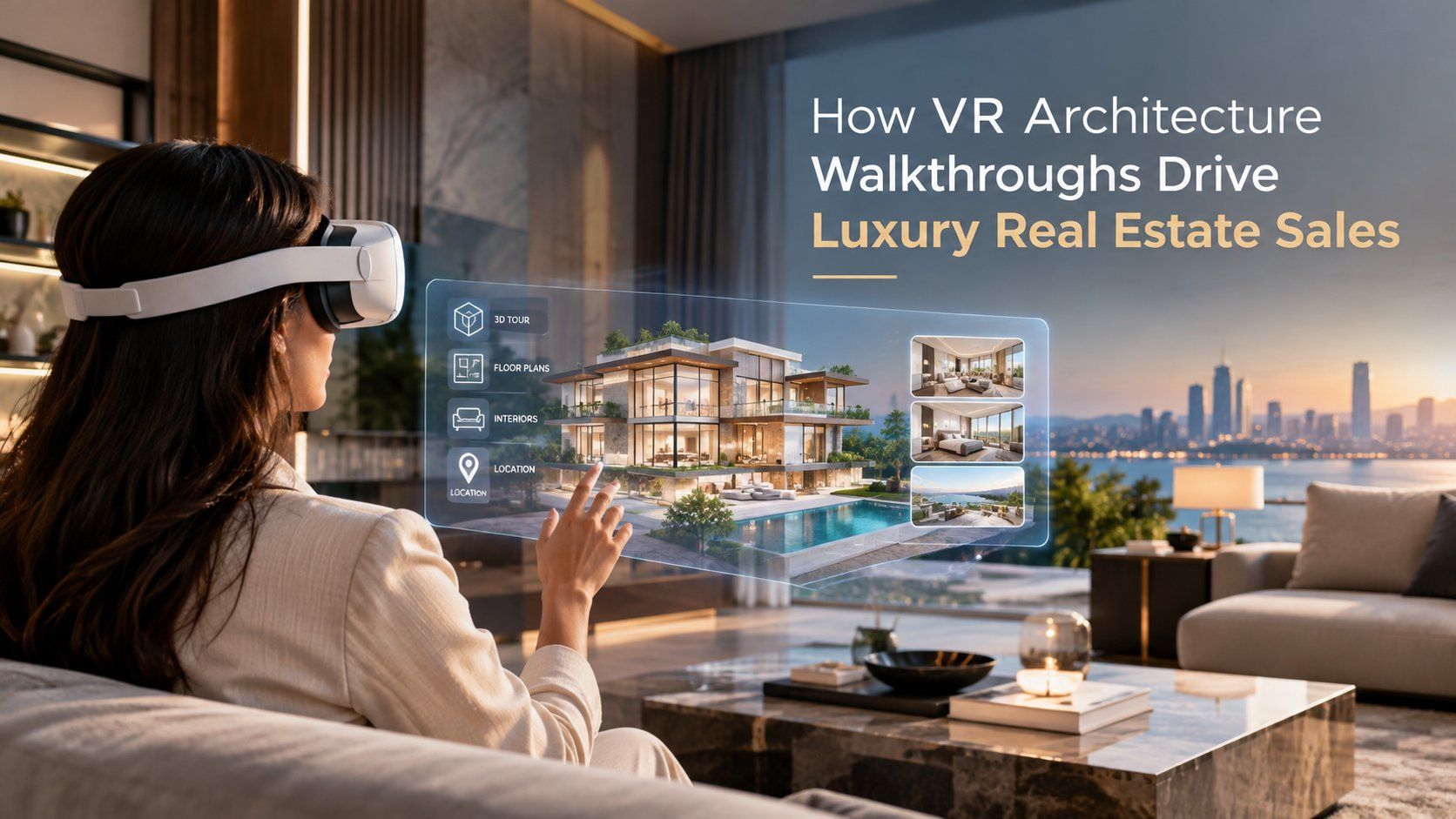
Static imagery, while essential for editorial print and pitch decks, is no longer sufficient on its own. Modern buyers demand fluid spatial agency. Consequently, demand for dynamic interior walkthrough rendering has surged. Utilizing advanced real-time rendering engines like Unreal Engine 5, developers can now offer prospective clients seamless, cinematic video tours and interactive 3D spatial experiences.
Whether through sweeping 60fps walkthrough films or cloud-streamed interactive walkthroughs, clients can experience how light shifts throughout the day, how sightlines connect contiguous living zones, and how material finishes respond to varied lighting scenarios. This visual transparency removes pre-construction anxiety, drastically accelerating closing timelines.
The Strategic Advantage of Specialized Viz Hubs
As visualization demands shift from basic modeling to high-art digital cinematography, real estate firms and architectural practices are restructuring their external production partners. Maintaining an internal visualization department capable of handling dynamic physics, complex sub-surface scattering, and real-time cinematic output requires continuous software, hardware, and talent investment.
This structural reality has accelerated reliance on dedicated global hubs. Specifically, elite 3D interior rendering services India have evolved far beyond competitive production speed; they have transformed into global centers for high-end artistic direction and visual innovation. Strategic regional hubs—exemplified by specialized clusters offering 3D interior rendering services Lucknow—are blending advanced technical pipeline automation with deep spatial art direction. Studying the multidisciplinary philosophy behind ABOUT SQUAREI highlights how international design houses leverage specialized external teams to maintain world-class visual consistency across massive project portfolios.
Value Metrics: Interior Visualization for Builders & Real Estate Developers
For commercial real estate entities, visual visualization represents a major line item in marketing budgets. Aligning visual strategies with 2026's hyper-real standards translates directly into measurable balance-sheet performance for multi-family, hospitality, and luxury residential projects.
- Accelerated Pre-Sales Cycles: Projects backed by atmospheric, hyper-tactile visualizations experience up to 40% faster off-plan sales velocity compared to traditional CG imagery.
- Reduced Design Friction: High-fidelity visual alignment during early phases mitigates costly change orders during late-stage construction.
- Elevated Brand Equity: Customized, non-templated visualization elevates developer positioning, unlocking pricing premiums on luxury real estate assets.
By treating interior visualization for builders and non-built environments as an immersive brand experience rather than a technical diagram, forward-thinking interior rendering for real estate developers converts speculative architecture into highly coveted commercial opportunities long before construction crews arrive on site. When high-stakes masterplans require direct collaboration with specialist visualization teams, initiating a design dialogue through CONTACT channels ensures early spatial alignment before ground is broken.
The Future Belongs to Emotional Realism
The era of the sterile, cookie-cutter CGI rendering is officially over. Software accessibility has democratized basic image generation, rendering generic visuals obsolete. In today's competitive real estate market, differentiation is achieved through emotional depth, cinematic storytelling, and authentic tactile realism. Industry-leading studios like SQUAREI 3D (squarei3d.com) demonstrate that architectural visualization is no longer about demonstrating what a space *looks* like—it is about evoking how a space *feels*.
Architects, developers, and visualizers who embrace these progressive rendering trends in 2026 will not merely keep pace with client expectations; they will redefine how the built environment is imagined, marketed, and realized across the globe.
Frequently Asked Questions
Why are traditional 3D interior renders failing to convert luxury buyers in 2026?
Traditional renders often fall into the 'uncanny valley'—looking mathematically perfect yet unnaturally sterile. Today's high-net-worth buyers easily spot repetitive digital assets, flat sun lighting, and flawless surfaces. Without natural micro-imperfections, ambient depth, and emotive cinematic lighting, static CGIs fail to build the emotional connection necessary for high-stakes property sales.
How does AI interior rendering integrate into professional architectural workflows?
Professional AI interior rendering acts as an accelerator during the preliminary design and ideation phase rather than replacing technical craftsmanship. Artists use custom-trained AI pipelines for fast spatial mood-boarding, color balance exploration, and lighting ideation. The final asset creation, structural alignment, precision modeling, and fine-tuning remain anchored in high-precision CAD engines and photorealistic rendering pipelines.
What is the difference between standard interior visual renders and cinematic interior rendering?
Standard renders prioritize uniform exposure and bright light distribution to showcase room geometry cleanly. Cinematic interior rendering applies film-style visual principles—utilizing volumetric fog, caustics, dynamic light ratios, depth of field, and nuanced color grading. It focuses heavily on atmospheric mood, treating the space as a living scene rather than a static catalog display.
How do real estate developers benefit from interior walkthrough rendering over static images?
Interior walkthrough rendering provides spatial context, flow, and visual agency that static images cannot convey. Walkthrough films and interactive real-time spatial tours allow buyers to experience sightlines, transitional zones, and shifting natural light throughout the day. This reduces buyer uncertainty during pre-construction sales and significantly shortens investment decision cycles.

 Architecture & Design